Flora of the páramo of Cajas, Ecuador
Palavras-chave:
flora, páramo, Cajas, Ecuador, Cuenca, inglésSinopse
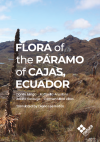
The primary aim of this book, Flora of the Páramo of Cajas, Ecuador (CNP), is to introduce readers in Ecuador and around the world to the remarkable richness, uniqueness, and diversity of the plant life found in the páramo ecosystems of Cajas National Park. The park is home to one of Ecuador’s most important high-altitude ecosystems, renowned not only for the extraordinary beauty of its landscapes but also for its ecological and hydrological significance.
Glacial processes during the Pleistocene largely shaped Cajas National Park's landscape, sculpting the terrain and contributing to the formation of numerous lakes and other bodies of water. A total of 767 lakes and lagoons have been recorded, forming part of a vital hydrological system for the region. The park is also the source of rivers that supply the watersheds serving the city of Cuenca and the surrounding area.
The mountainous terrain of Cajas National Park features landforms shaped by glacial activity and subsequent erosion, including U-shaped valleys, moraines, depressions, and steep cliffs. In many areas, the soils are characterized by a high organic matter content and a porous structure that promotes water retention. This sponge-like structure also makes them vulnerable to compaction and trampling-induced degradation. Soil depth and characteristics vary depending on topography, vegetation, and local environmental conditions.
The páramo of Cajas National Park supports a variety of vegetation types, including tussock grasslands, wetlands, Plantago rigida cushion communities, Polylepis forests, Loricaria and Arcytophyllum shrublands, and vegetation associated with rocky outcrops, lake shores, and other aquatic habitats. This diversity reflects the wide range of environmental conditions characteristic of this high-altitude ecosystem.
Cajas National Park is home to remarkable plant diversity, with more than 500 species of vascular plants. Of these, 71 are endemic to Ecuador, while 19 are found exclusively in the páramo ecosystems of Cajas National Park and its surrounding areas. These figures highlight the park's importance for conserving Andean plant diversity.
This book describes and illustrates 175 species representing the different vegetation types found in the páramo ecosystems of Cajas National Park. We hope this publication will inspire greater interest in the park’s flora, facilitate species identification, and foster a deeper appreciation for, and commitment to, conserving this natural heritage, which is vital to Ecuador and the world.
296 páginas
ISBN: 978-9942-54-148-2
e-ISBN: 978-9942-54-149-9
e-PUB: 978-9942-54-150-5
Publicado
Licença

Este trabalho está licenciado sob uma licença Creative Commons Attribution-NonCommercial-ShareAlike 4.0 International License.
